The Versatile World of Aluminium Sand Castings: Products and Applications

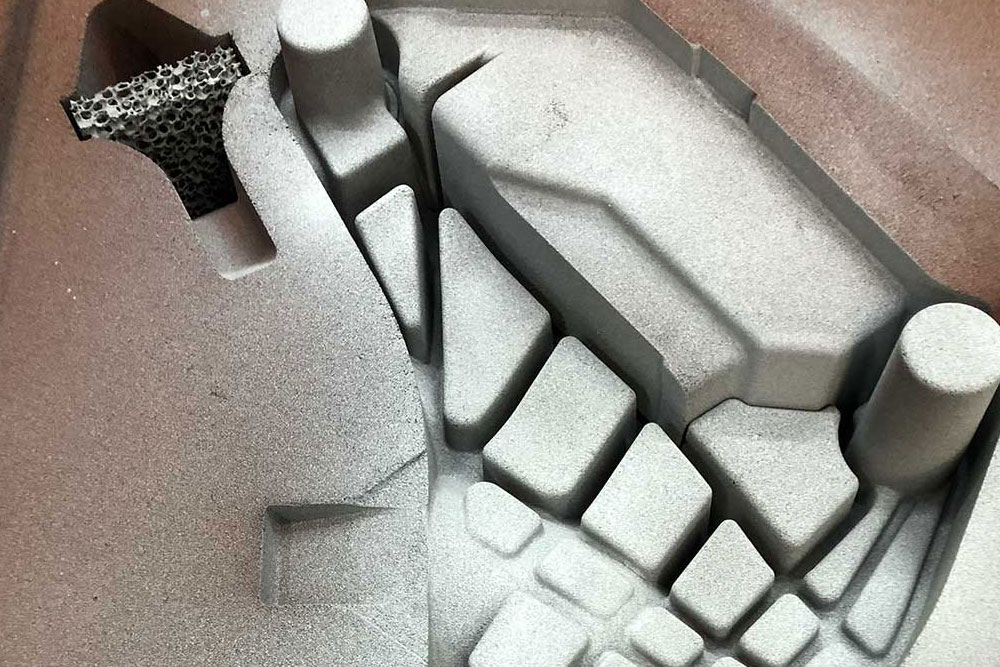
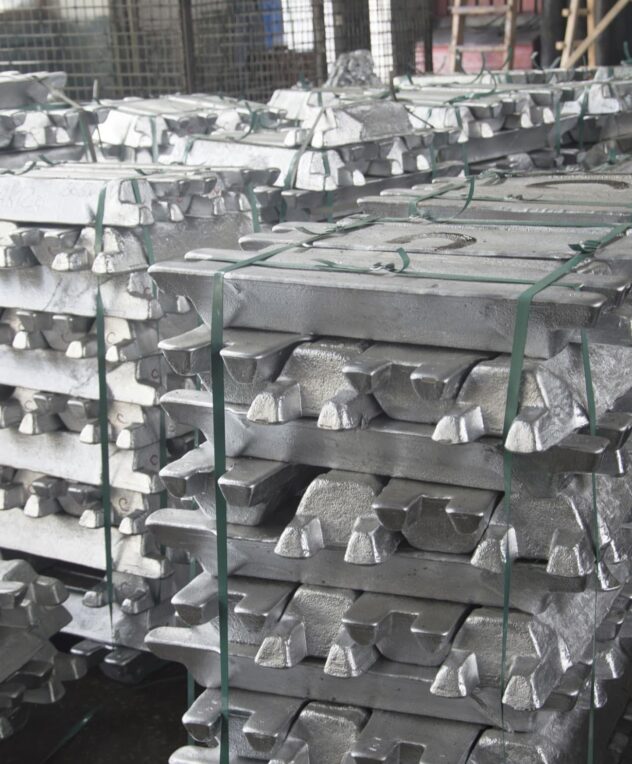
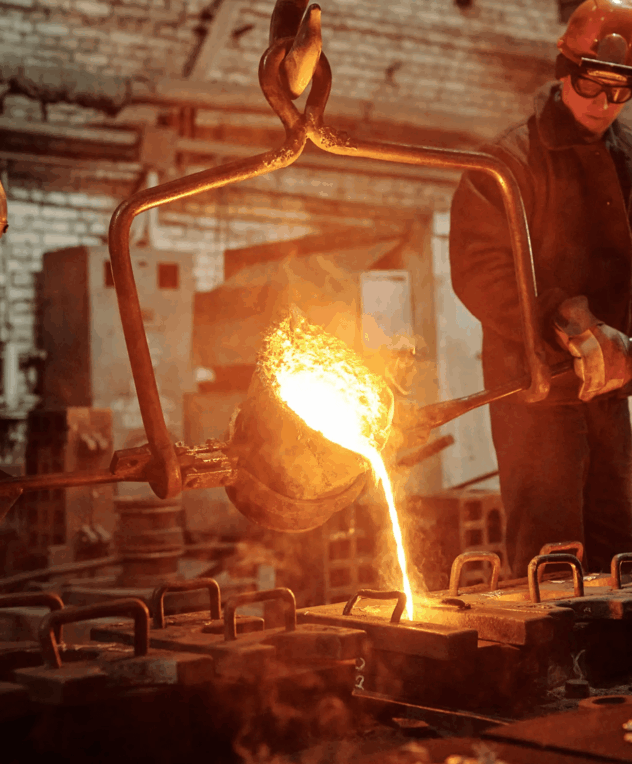
Aluminium sand casting is one of the oldest and most versatile manufacturing processes, allowing for the creation of detailed and intricate shapes. This method involves pouring molten aluminium into a sand mould, where it solidifies and takes the shape of the mould. The durability, lightweight characteristics, and corrosion resistance of aluminium make it a favoured material across various industries. In this blog post, we’ll dive deep into the different types of products made using aluminium sand castings and explore their applications in various sectors.

Automotive Components

The automotive industry is one of the largest consumers of aluminium sand castings, thanks to the material’s lightweight properties and high strength-to-weight ratio. Here are some key products in this sector:

Engine Components

Aluminium sand castings are commonly used for engine blocks and cylinder heads. The lightweight nature of aluminium helps improve fuel efficiency, making vehicles more environmentally friendly.

Transmission Housings

These components must withstand high levels of stress while remaining lightweight. Aluminium castings provide a perfect balance, ensuring that the transmission can perform optimally without adding unnecessary weight.

Suspension Parts

Items such as control arms, knuckles, and brackets are often manufactured using aluminium sand castings. These components play a critical role in vehicle handling and safety.

Aesthetic Parts

From wheel rims to decorative trim pieces, aluminium sand casting is also utilised in producing visually appealing components that enhance the overall design of vehicles.

Above is a suspension arm made from aluminium sand castings for the automotive industry. They were manufactured for an automotive customer in the United Kingdom.

A suspension arm, also known as a control arm, is a crucial component of a vehicle’s suspension system, designed to connect the wheel assembly to the chassis. It allows for both vertical and horizontal movement, enabling the wheels to move up and down independently while maintaining proper wheel alignment. Typically made from metal, suspension arms come in various shapes and sizes depending on the vehicle’s design and intended performance. They play a vital role in providing stability, handling, and comfort while driving, as they help absorb road irregularities and contribute to the overall dynamics of the vehicle. Proper maintenance of suspension arms is essential, as worn or damaged arms can lead to poor handling and increased tire wear.

Above is a sand cast for a mounting bracket made for an automotive customer.

A mounting bracket is an essential component in automotive design, serving as a fixture that secures various parts of a vehicle to its chassis or frame. Often made from durable materials like steel or reinforced plastic, these brackets play a crucial role in maintaining the integrity and stability of car components such as engines, transmissions, and suspension systems. By providing a solid connection point, mounting brackets help ensure that these parts operate effectively and safely, especially under dynamic conditions such as acceleration, braking, and cornering.

There are several types of mounting brackets, each designed for specific applications within the vehicle. For instance, an engine mounting bracket secures the engine to the vehicle’s frame, absorbing vibrations and reducing movement that could lead to damage. Similarly, transmission brackets fasten the transmission system in place, preventing shifts that could hinder performance. The design and positioning of these brackets are critical; they must support not only the weight of the components but also tolerate the stresses that arise from mechanical operations and road conditions.

Aerospace Industry

In aerospace, where performance and weight are paramount, aluminium sand castings are essential. The following products are notable:

Structural Components

Aircraft rely on strong yet lightweight materials. Components such as wing brackets, engine mounts, and fuselage frames are often crafted from aluminium to ensure structural integrity without adding extra weight.

Housing for Avionics

Aluminium’s ability to dissipate heat makes it an ideal choice for housing electronics that manage temperature-sensitive avionics systems.

Landing Gear Components

These critical parts must endure significant stress and strain during take-off and landing. Sand-cast aluminium offers superior performance while remaining lightweight, contributing to better fuel efficiency.

Aluminium sand casting isn’t limited to industrial applications; it has a significant presence in consumer goods. Here are some examples:

Cookware

Many pots, pans, and baking trays are made from aluminium castings. The material’s excellent thermal conductivity ensures even heat distribution, which is crucial for cooking.

Decorative Items

From sculptures to garden ornaments, aluminium sand casting allows for the creation of intricate designs and details, appealing to aesthetic sensibilities.

Furniture Components

In modern design, aluminium sand castings are utilised in creating stylish and durable furniture frames, ensuring pieces are not only beautiful but also long-lasting.

Industrial Equipment

Industrial equipment often faces harsh conditions, and aluminium sand castings are ideal for such applications. Key products include:

Pump and Valve Bodies

Many industrial pumps and valves are manufactured from aluminium castings, allowing for the efficient transport of liquids while resisting corrosion.

Machine Housings

Aluminium sand casting is frequently used in producing housings for machinery, ensuring durability and ease of maintenance in demanding environments.

Industrial Fixtures and Tools

Components like clamps, brackets, and custom tools made from aluminium castings can endure rigorous use while maintaining their integrity.

Above is an Kinetrol actuator made from a metal cast in our foundry based in Wombourne, United Kingdom.

Kinetrol actuators are high-performance devices used to automate the control of valves and dampers, primarily in industrial applications. These actuators utilize a unique design that incorporates a rotary vane mechanism and are known for their precision and reliability. Kinetrol actuators offer a range of features, including fail-safe operation, high torque output, and the ability to operate in demanding environments. They are often used in processes requiring quick response times and consistent performance, making them ideal for industries such as oil and gas, water treatment, and power generation. With their robust construction and minimal maintenance requirements, Kinetrol actuators help enhance operational efficiency and ensure the safe handling of various fluids and gases.

Above is metal rope drum casting for a company based in the West Midlands, United Kingdom.

A rope drum is a cylindrical device used to store and manage rope or cable, often found in various applications such as nautical, industrial, and construction settings. Typically made of durable materials like metal or wood, the drum allows for easy winding and unwinding of the rope, facilitating smooth operation during lifting or pulling tasks. Rope drums are designed to maintain tension and prevent tangling, ensuring efficient and safe handling of heavy loads. Their construction can vary widely depending on the specific use, and they are essential for organising rope to extend its lifespan and enhance operational effectiveness.

Above is an eco-waste casting used in the catering industry. This casting was made for a company based in Wrexham, United Kingdom.

An eco waste cast is an innovative solution designed for the catering industry to manage food waste more sustainably. It typically consists of biodegradable materials or compostable elements that can be easily disposed of without harming the environment. In catering operations, where large quantities of food waste are generated daily, eco waste casts help minimise landfill contributions by facilitating composting or organic recycling. By using these casts, caterers can effectively separate food waste from regular trash, ensuring that organic materials are processed in an environmentally friendly manner. This practice not only reduces waste disposal costs but also aligns with growing consumer demand for sustainable practices, reflecting a commitment to environmental responsibility within the culinary sector. Overall, eco waste casts contribute to a more sustainable catering operation by promoting waste reduction and encouraging eco-friendly disposal methods.

Electric and Electronic Housings

The rise of technology has led to a growing demand for lightweight and efficient materials. Products in this category include:

Enclosures

Many electronics require durable and heat-dissipating housings. Aluminium sand casting can create diversified shapes and designs to house circuit boards and other sensitive components effectively.

Power Tool Components

Components such as motor housings in electric drills and saws leverage aluminium’s lightweight properties, enabling high performance without compromising safety.

Above is a brass light fitting for a customer based in London, United Kingdom.

A brass light fitting is a decorative and functional fixture used to house light bulbs and illuminate spaces within a home or commercial setting. Made from durable brass, these fittings are appreciated not only for their strength and longevity but also for their classic aesthetic appeal. The warm, golden hue of brass adds a touch of elegance and can complement a variety of interior styles, from traditional to modern. Brass light fittings come in many forms, including pendant lights, sconces, and chandeliers, allowing for versatile design choices. Beyond their visual appeal, these fixtures often feature intricate designs and craftsmanship, making them both a practical lighting solution and a statement piece in any room. Additionally, brass is known for its natural antimicrobial properties, making it a hygienic choice for high-touch areas. Proper care and maintenance can help preserve the finish and shine of brass light fittings, ensuring they remain a stunning element in any lighting scheme.

Marine Products

The marine industry heavily utilises aluminium sand castings due to the material’s corrosion resistance and strength in saltwater environments. Some products include:

Boat Components

Parts such as engine mounts, keels, and various fittings are often produced using aluminium sand castings, ensuring optimal performance and durability.

Hardware

Accessories such as cleats, winches, and other marine hardware made from aluminium are resistant to rust and corrosion, crucial for longevity on the water.

Construction and Architecture

Aluminium sand casting is also used in construction and architectural applications, bringing aesthetic value and structural integrity. Examples include:

Architectural Features

Many modern buildings incorporate aluminium castings for decorative elements, facades, and even structural supports, combining beauty with functionality.

Window Frames and Doors

Lightweight yet strong, aluminium is often used in window frames and doors, providing a sleek look while maintaining energy efficiency.

Railings and Balconies

Aluminium castings are perfect for railings and balconies due to their ability to withstand weathering while adding a contemporary design touch.

Medical Equipment

The medical field is increasingly utilising aluminium sand castings for various applications. Products include:

Surgical Instruments

Aluminium is used in some surgical tools where lightweight and rust-resistant properties are desired.

Diagnostic Equipment

Enclosures for diagnostic machines and devices benefit from aluminium castings, providing protection and enhancing the overall performance of the equipment.

Art and Sculpture

Aluminium sand casting has found its place in the art world, where artists leverage the technique to create sculptures and installations. The benefits include:

Intricate Designs

The ability to cast detailed and complex shapes allows artists to explore their creativity and produce unique pieces.

Durability

Art produced through aluminium sand casting can withstand the elements, making it suitable for outdoor installations without the risk of significant degradation.

Challenges and Advantages of Aluminium Sand Casting

While aluminium sand casting offers numerous advantages, it also comes with its own set of challenges:

Advantages:

– Cost-Effective: Sand casting is generally more affordable compared to other casting methods, making it a popular choice for both small and large production runs.

– Versatility: This method can produce a wide variety of shapes and sizes, accommodating various design requirements.

– Material Properties: Aluminium castings exhibit excellent strength, corrosion resistance, and thermal conductivity, enhancing the performance of end products.

Challenges:

– Surface Finish: Sand-cast products may require additional finishing processes to achieve the desired surface quality, which could increase production time and costs.

– Dimensional Accuracy: While sand casting can produce complex shapes, it might not always achieve the same level of precision as other casting methods like die casting or investment casting.

Future of Aluminium Sand Casting

The future of aluminium sand casting looks promising, especially with ongoing advancements in technology. Some trends shaping the industry include:

– Sustainability: As environmental concerns grow, the aluminium industry is focusing on recycling and sustainable practices, which could enhance the viability of sand casting as a green manufacturing option.

– Additive Manufacturing: Integrating 3D printing technologies with traditional sand-casting techniques can lead to more efficient prototyping and production processes.

– Smart Manufacturing: The adoption of smart technologies and automation in manufacturing processes could optimise production lines and reduce costs while improving quality.

Conclusion

Aluminium sand casting is a versatile and time-honoured manufacturing process that produces a multitude of products across various industries. From automotive components and aerospace applications to consumer goods and artistic creations, the reach of aluminium castings is vast and influential. As technology continues to advance and sustainability takes precedence, aluminium sand casting will remain a key player in the world of Manufacturing, driving innovation and creativity across diverse sectors. Whether you’re using everyday items or contributing to cutting-edge technology, the impact of aluminium sand castings is evident in our daily lives.

Leave a Reply

Your email address will not be published. Required fields are marked *